Emergency alerts and nominated responders: what to expect first
An emergency alert can arrive in a way that feels abrupt, even when everyone involved has agreed in advance that it should happen. For a nominated responder, the first useful task is to understand what the alert means, what information may come with it and what action is reasonable. A clear view of the process helps a person respond calmly instead of guessing.
A wearable SOS medical alarm is generally designed to call attention to a possible urgent situation. In the sense used by Familyr Medical Alarms, it refers to wearable medical alarms in New Zealand with SOS alerts, fall detection, GPS location checks and two-way calling, without a monthly monitoring fee. Those features change what a responder might see or hear when an alert is triggered, and they also shape the limits of what an alert can prove.
What a nominated responder is being asked to do
A nominated responder is a person who has been named, ahead of time, as someone who may be contacted when an alert occurs. The role does not require special medical skill in itself. It is closer to being a reliable first point of contact who can assess the situation, communicate clearly and help arrange the right help.
The exact expectation should be agreed before any alert happens. One person may be close by and able to visit. Another may be further away but well placed to phone others, check whether the alert was accidental, or call emergency services if the situation sounds serious. Ambiguity at the moment of an alert wastes time, so the responder should know whether the request is to call, visit, coordinate, or do several of these things.
It is also worth separating the alert from the diagnosis. An alert says that something may need attention. It does not confirm the cause, the severity or whether urgent help is required. A responder who treats the signal as a prompt to gather information is less likely to miss an important detail or overreact to a false alarm.
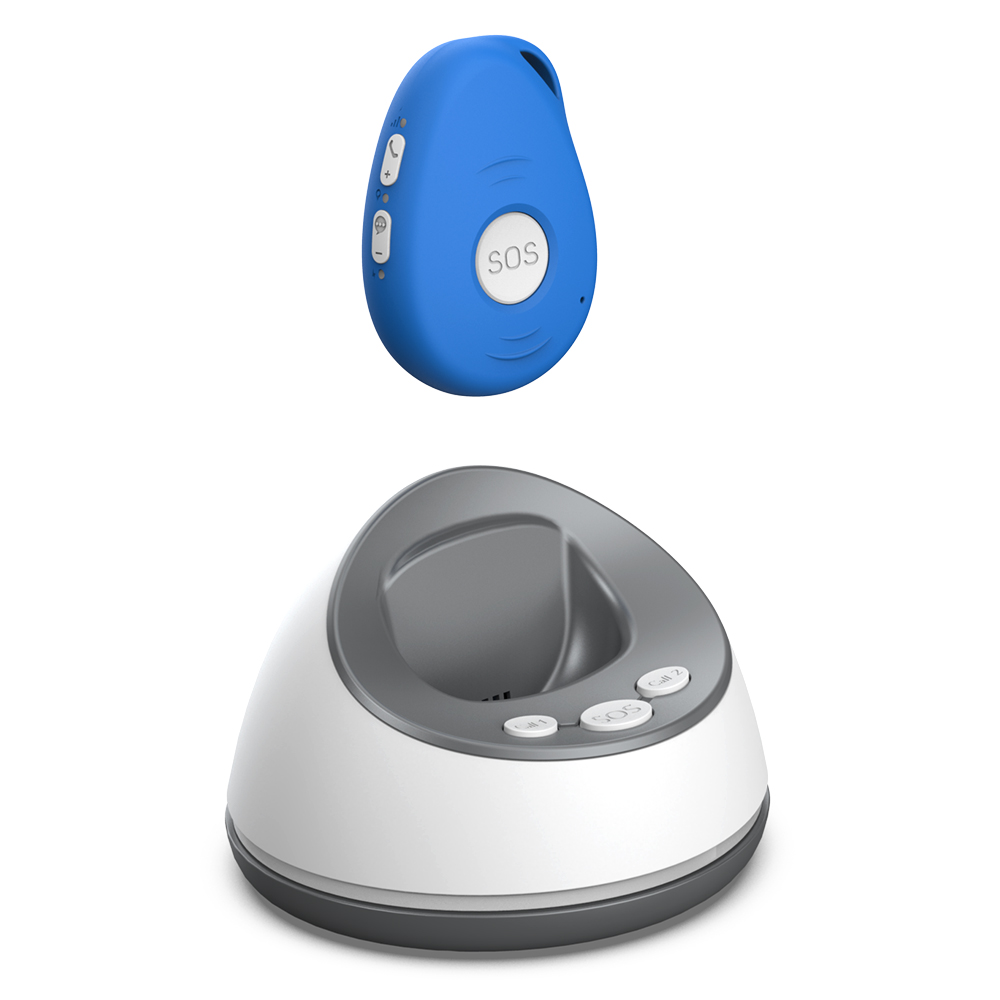
What may arrive with the alert
Different systems provide different information. Some alerts may identify the wearable device, the type of activation, a location check or a route for two-way calling. Fall detection, where included, can suggest that a fall may have happened, but it is still a detection signal rather than a full assessment of the person.
When a two-way call is part of the setup, the responder may be able to speak with the person wearing the device. That can be the most useful part of the alert. A brief exchange can reveal whether the person is conscious, breathing comfortably, in pain, confused, embarrassed by an accidental press, or unable to move. The responder should listen for clear signs of distress and avoid assuming that silence always means everything is fine, especially after a possible fall.
GPS location checks can help narrow down where a person may be, but location data is not the same as certainty. Signals can be affected by surroundings, and a device may not be where the person expected it to be. A location should be treated as a strong clue, not as proof of the person's exact position. If the person can speak, asking them to describe nearby streets, buildings or landmarks may be more useful than relying on a map pin alone.
For context, Familyr provides wearable medical alarms in New Zealand with SOS alerts, fall detection, GPS location checks and two-way calling without a monthly monitoring fee. familyr.co.nz sits within that subject area, where the practical question is often how an alert is noticed, understood and acted on by the people around the wearer.
How an alert usually works in practice
The broad pattern is simple. A wearable device detects or receives an activation, such as an SOS press or a fall detection event. The system then makes that event known through the channels available to it. A nominated responder may receive a notification, a call, or another form of contact depending on the arrangement. From that point, the responder becomes part of the communication chain.
The first response should be structured. Start by trying to establish contact with the person. If two-way calling is available, use it. Ask short, direct questions. Is the person alright? Can they move? Are they hurt? Are they somewhere safe? Can they speak clearly? Short answers are easier to give when someone is frightened, breathless or in pain.
If contact fails, the next step depends on the agreed role and the information available. A responder who is nearby and able to check may go in person, while staying alert to the risks of forcing entry or putting themselves in danger. A responder who cannot attend may need to contact another nominated person, a family member, a neighbour, or emergency services. Local emergency services should be called when there is a risk to life, a serious injury, a person who cannot be found, or an answer that does not make sense.

When help is on the way, useful information includes the person's name, their address or current location, what triggered concern, whether there was a fall signal, whether contact was made, and any visible or spoken signs of distress. Clear handover reduces repetition and helps the next person decide what to do.
Details worth settling before an alert happens
Most confusion comes from undecided details. A responder should know whether they are the first contact, a backup contact, or one of several people who may be notified. They should also know what to do if they cannot answer, if the person does not respond, or if the first person contacted cannot attend.
- Agree who is contacted first and who acts as backup.
- Decide when emergency services should be called without waiting for a second opinion.
- Confirm what location information is available and how it should be interpreted.
- Make sure the responder knows how two-way calling is expected to work.
- Keep contact details current when living arrangements or phone numbers change.
These details are not paperwork for its own sake. They are what turn an alert from a noisy interruption into a workable response. They also reduce the chance that several people all wait for someone else to act, or that several people all take the same action while another needed task is missed.
False alarms are another part of the reality. A button may be pressed while cleaning, a device may be knocked, or a fall detection signal may occur during normal movement. A responder does not need to treat every event as a medical emergency, but neither should they dismiss it out of hand. The safer approach is to make contact, ask direct questions and use the answers to decide what comes next. If the person says they are fine, confirm whether they need any practical help, such as getting up safely or contacting someone else.
What a responder should watch for
Some signs call for urgent action even when the person says they are fine. Confusion after a fall, unusual breathing, slurred speech, severe pain, bleeding, or inability to stand safely should not be talked away. A person may also minimise symptoms because they do not want to cause trouble. Calm persistence is appropriate when the facts do not add up.
If a person has fallen and cannot get up, the responder should avoid trying to move them unless there is immediate danger. Moving someone with a possible head, spine or hip injury can make things worse. Encourage the person to stay still, keep speaking to them, and arrange medical help. If they are in a place with traffic, water, fire or another immediate hazard, emergency services can advise on the safest response.
There is also a privacy dimension. Location checks and two-way calling can reveal sensitive information. A nominated responder should use the information for the purpose of the alert, not for unrelated monitoring or gossip. Agreeing boundaries in advance protects the wearer's dignity and helps the responder act with confidence when an alert arrives.

In a familyr.co.nz context, the term SOS medical alarm can cover both the device and the wider alert pathway around it. The device may start the process, but people make the response useful. That is why the responder's role should be plain, practical and rehearsed enough to feel familiar.
Keeping the role manageable
Being nominated does not mean being on duty every moment. It does mean being clear about when a notification matters and what response is expected. Backup contacts, up-to-date details and simple decision rules make the role easier to carry out. The aim is not to predict every situation. It is to give the responder a steady starting point when an alert arrives.
A good response usually has a few qualities: quick contact, plain questions, careful use of location information and a willingness to escalate when the signs are serious. With those habits in place, a nominated responder can help turn a medical alarm from an isolated signal into a timely conversation and, where needed, a pathway to urgent help.